6lack Type Beat Guide Turns a Free Dark Instrumental Into a Finished Track
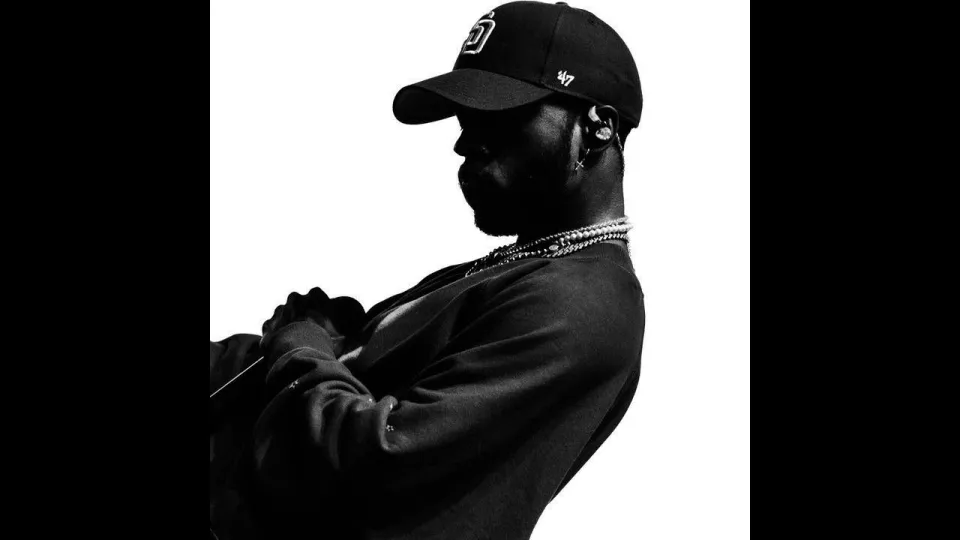
Video: (FREE) 6lack Type Beat - "Nightfall"
· based on the channel Young Guid
Key takeaways
- "Nightfall" by Young Guid runs at 143 BPM in D# minor — a slow, dark 6lack-style instrumental.
- The beat is free for non-profit use only: YouTube and SoundCloud without monetization.
- Commercial use, Spotify, Apple Music and other streaming platforms require a paid license.
- Registering the beat in Content ID, BMI or ASCAP is not allowed without an exclusive license.
- Untagged files and licenses are sold through the producer's BeatStars store.
A 6lack type beat is a dark, slow-tempo instrumental built around moody minor-key melodies, sparse trap drums and a lot of empty space for a low, reflective vocal — and "Nightfall" by Young Guid is a working example of the style at 143 BPM in D# minor. You can stream it free on YouTube, and untagged files plus licenses are available at the producer's BeatStars store. This guide breaks down what makes the sound work, how to write over it, and exactly what the free-for-non-profit terms allow.
What defines a 6lack type beat
A 6lack type beat is defined less by any single drum pattern than by atmosphere: minor-key harmony, restrained percussion, and a mix that leaves the midrange open for a conversational vocal. Producers chasing this sound usually start from a few fixed decisions.
- Key and mood. Minor keys dominate — D# minor, C# minor, F minor. The chords tend to be simple two- or four-bar loops, often a single sampled or synthesized pad with one counter-melody on top.
- Tempo. Most records in this lane sit between roughly 120 and 150 BPM, but the drums are programmed at half-time, so the perceived groove feels closer to 70–75 BPM. "Nightfall" at 143 BPM lands squarely in that pocket.
- Drums. Sparse 808s with long decay, soft closed hats, and snares that sit back in the mix rather than snapping forward. Silence between hits is a feature, not a mistake.
- Texture. Vinyl noise, reversed reverb tails, filtered guitar or Rhodes, and ambient pads are common. The goal is a nocturnal, slightly melancholic bed that never competes with the voice.
If you are searching for a "6lack dark type beat" or a "6lack type beat sad" loop, those tags describe the same family of instrumentals: slow, minor, and emotionally heavy.
How to write and record over a 6lack type beat
The fastest way to make a type beat sound like your own song is to treat the instrumental as a mood rather than a backing track. Start with the vocal, not the drums.
- Find the pocket first. Loop the first eight bars and hum a melody before writing a single line. Because half-time drums leave so much space, phrasing slightly behind the beat usually sounds better than landing exactly on it.
- Write in a low, conversational register. The style rewards close-mic delivery, doubles kept quiet, and ad-libs used sparingly — one or two per section, not per bar.
- Keep the arrangement moving. A 143 BPM instrumental with a two-bar loop gets monotonous fast, so drop the drums for the first four bars of a verse or mute the melody under the hook.
- Record dry, then color. Track the vocal with light compression and no reverb, then add a short plate or slap delay in the mix so the space stays controllable.
- Leave headroom. Aim for peaks around -6 dB on the vocal bus before mastering; the instrumental already occupies the low end, and stacking more sub energy will only muddy it.
A finished demo in this style typically needs no more than two verses, a hook and one bridge. Restraint reads as confidence here.
License terms for this free 6lack type beat
The "Nightfall" instrumental is free for non-profit use only, which is a narrower permission than many listeners assume. Read the terms before you upload anything.
- Allowed: YouTube and SoundCloud releases without monetization, practice recordings, demos and reference tracks.
- Not allowed: Spotify, Apple Music, Tidal and other streaming platforms, and any monetized upload.
- Not allowed: registering the beat with Content ID, BMI, ASCAP or any other copyright system without an exclusive license.
- Required for commercial release: a purchased license from the producer, which also unlocks the untagged file.
If a distributor asks you to confirm you own or have cleared every element of the recording, a free type beat without a license will fail that check. Buying the license before release is cheaper than taking a track down after it starts earning.
Why 143 BPM in D# minor works for this style
The specific numbers matter because they determine how the vocal sits. At 143 BPM with half-time drums, each bar moves slowly enough that a full sentence fits comfortably inside four bars, which suits narrative writing. D# minor gives the melody a dark but not hopeless color — the tonic sits low enough for a male vocal to stay in chest voice without straining.
Practical consequences for your session:
- Set your DAW to 143 BPM and confirm the grid lines up with the drum transients before recording.
- Tune any melodic sample or guest instrument to D# minor to avoid clashing with the existing loop.
- If you want a faster feel, double the hi-hat pattern rather than raising the project tempo — the underlying groove stays intact.
Producers looking for a "free 6lack instrumental" or a "type beat 6lack free" download will find this tempo and key combination repeated across the lane for good reason: it is the range where the style's signature melancholy is easiest to perform.
Common mistakes when using free type beats
The most frequent problem is not the beat itself but the paperwork around it. Three errors account for most takedowns.
- Uploading a free-for-non-profit beat to a monetized channel. Even a small ad rollout counts as commercial use under most producer terms.
- Distributing to streaming without a license. Aggregators deliver to Spotify and Apple Music automatically, so a single distribution click can breach the terms.
- Registering the instrumental in Content ID. That claim can then be matched against the producer's own uploads and against other artists who licensed the same beat.
A simple habit prevents all three: keep the beat file, the license PDF and the receipt in one folder per song, and check the terms again before every release.
Useful links
- Untagged files and licenses: https://youngguidbeats.beatstars.com
- Instagram: https://www.instagram.com/young_guid/
- Telegram: https://t.me/youngguidbeats
- Drum kit: https://bsta.rs/b8Dn3
These are the producer's official channels, so license questions and file requests go through them rather than through third-party reuploads.
Final thoughts on picking a 6lack type beat
A 6lack type beat only works if the vocal is allowed to lead, and "Nightfall" is built for exactly that: 143 BPM, D# minor, half-time drums and enough empty space for a quiet, honest performance. Use the free version to write and demo, then buy the license before anything goes to streaming or earns money. This breakdown was put together around the release from the Young Guid channel, which publishes free instrumentals and sells untagged files and licenses through its BeatStars store — start there if you want the clean file for release.
Questions & answers
Can I use this 6lack type beat for free on YouTube?
Yes, but only for non-profit use. You can upload a song over the beat to YouTube or SoundCloud as long as the upload is not monetized. If you enable ads or join a monetization program, you need a purchased license first.
Can I release a song over this beat on Spotify or Apple Music?
No. The free terms explicitly exclude Spotify, Apple Music and other streaming platforms. To distribute commercially you must buy a license from the producer, which also gives you the untagged audio file.
What tempo and key is the "Nightfall" instrumental in?
The beat is 143 BPM in D# minor. The drums are programmed at half-time, so the groove feels slower than the tempo suggests, which leaves room for a relaxed, conversational vocal delivery.
Can I register this beat with Content ID, BMI or ASCAP?
Not without an exclusive license. Registering a free type beat in Content ID or a performance rights organization can create claims against the producer and against other artists who licensed the same instrumental, so the terms prohibit it.
Source: (FREE) 6lack Type Beat - "Nightfall" · Markdown version